

Wireless Dreamcast controller

The controller you remember. Untethered.
Plug in a Dreamcast controller, get a wireless gamepad. Pulsar v1 is a battery-powered adapter that speaks the controller's native protocol on one side and Bluetooth LE on the other, with optional VMU display support.
A VMU is optional and not included. Without one, battery charge is shown on Pulsar's status LEDs. Any VMU shown in photos is for demonstration only.
Checking current store status…
Choose your path
Two ways to get Pulsar
Pulsar alone
Add wireless hardware to your controller.
$64.99
Complete Controller
Ready to play, assembled around Pulsar.
$84.99
Parts and printed shells are listed too — see the full store.
scroll to open it up · drag to rotate
01 — Controller
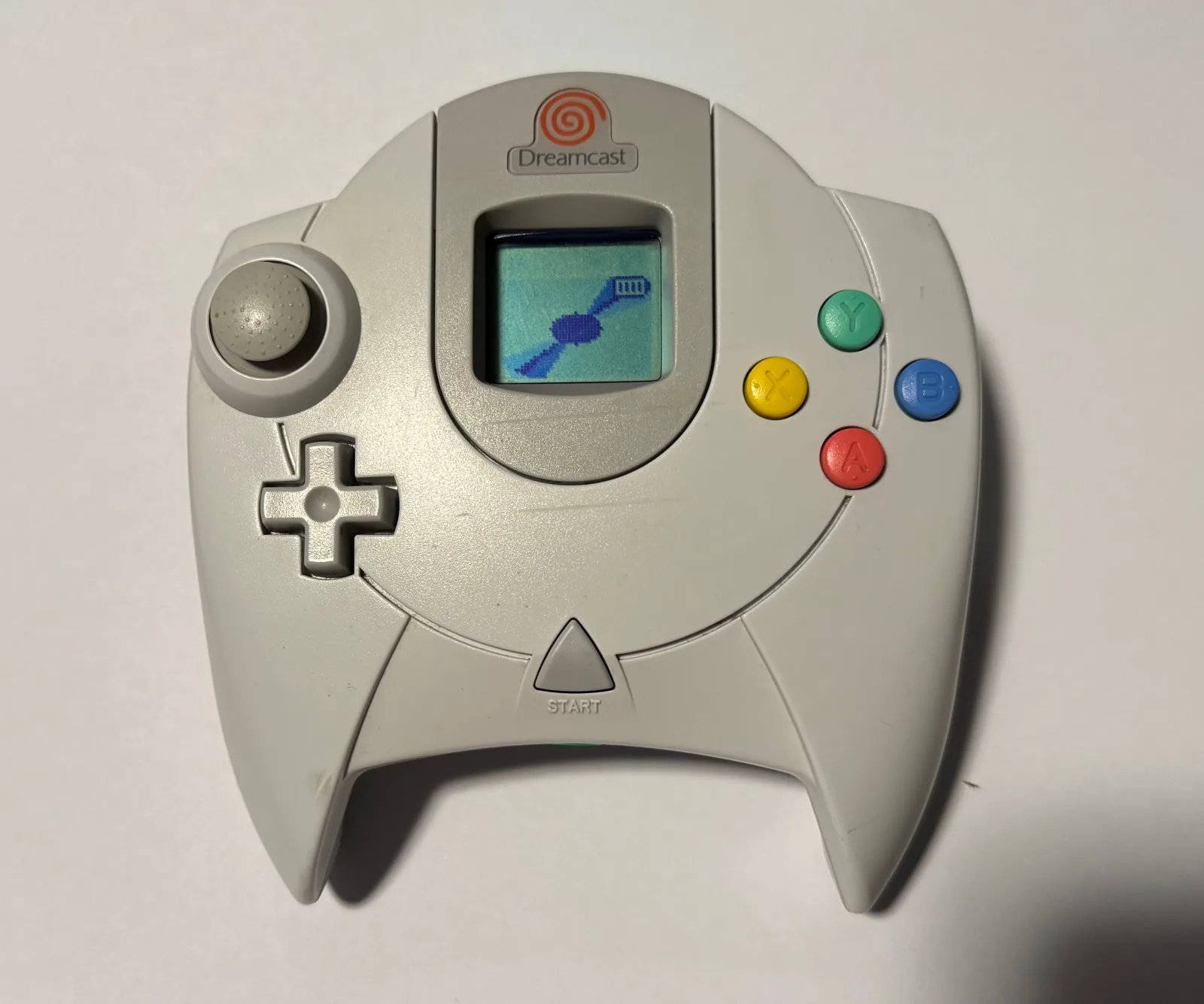
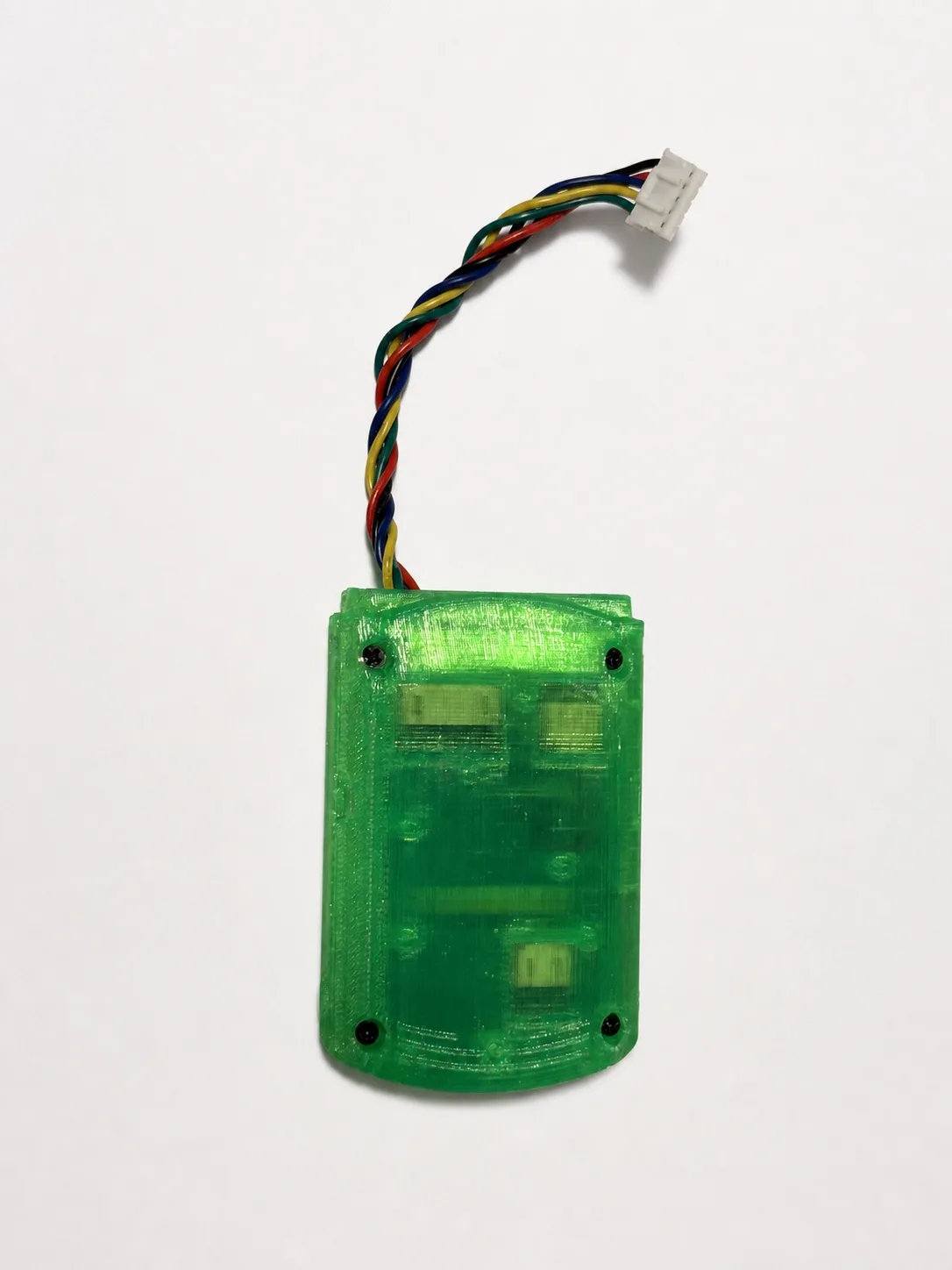
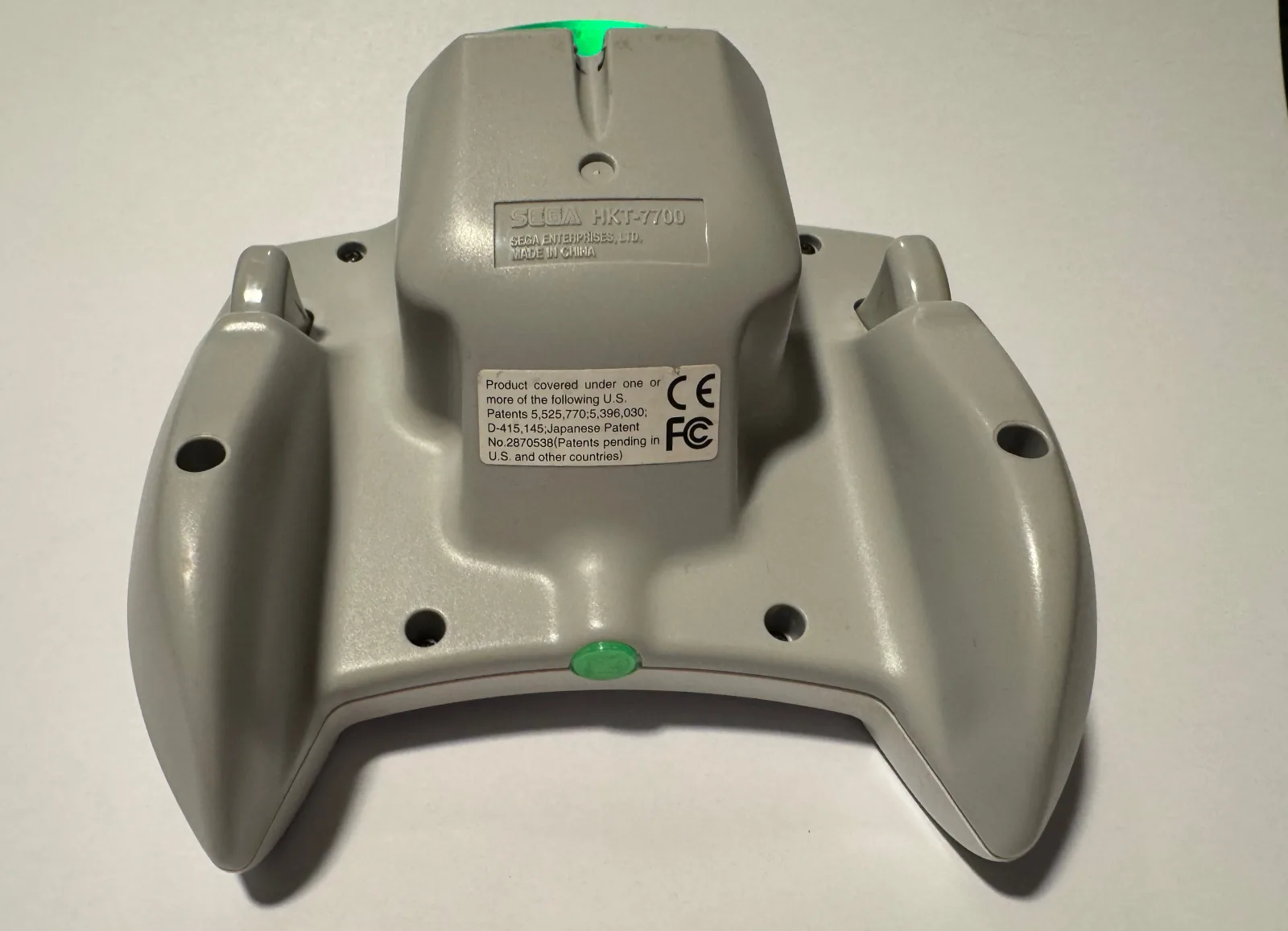
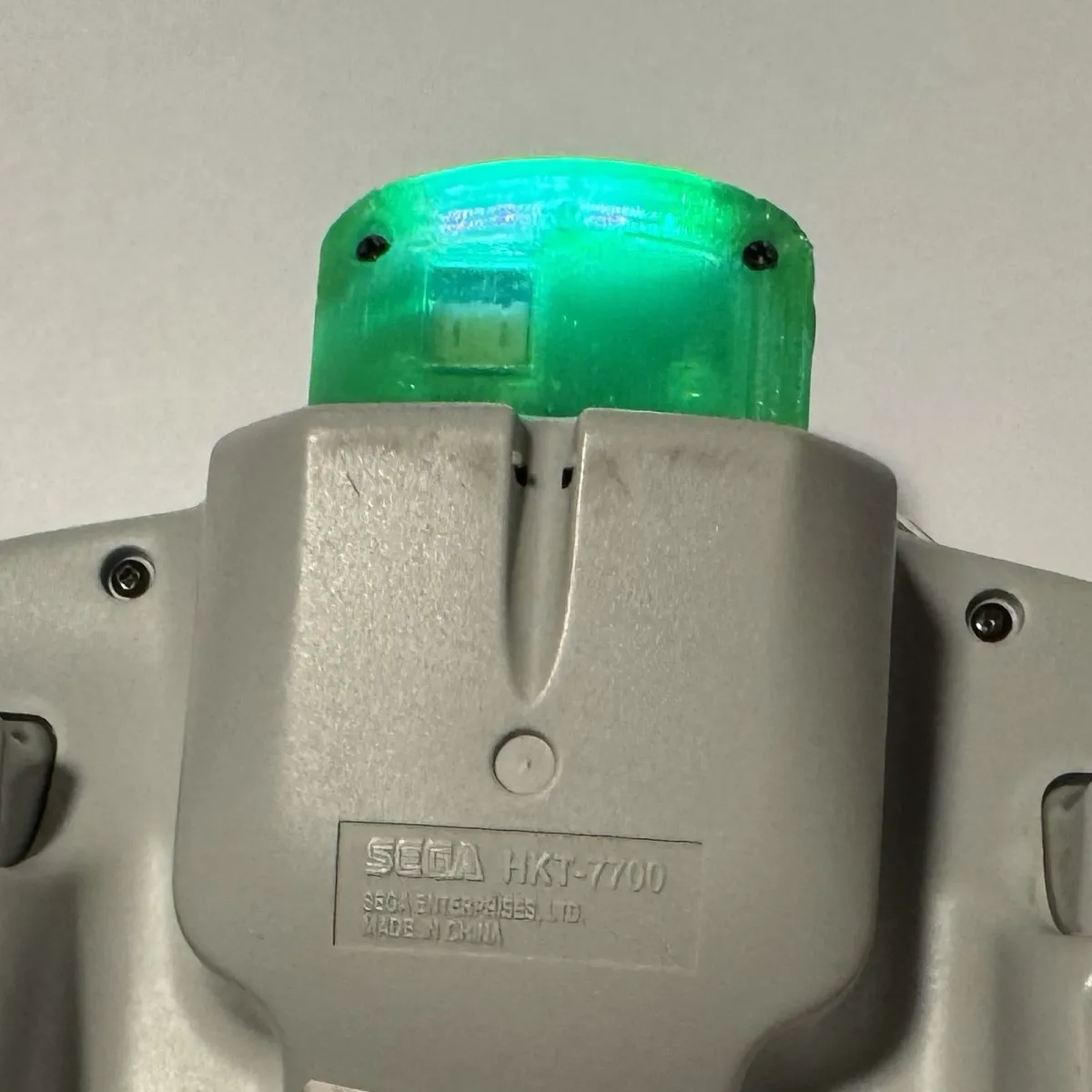
Real hardware, photographed as it ships: the controller, the adapter that seats into its expansion bay, and the status light through the shell.
What it does
- A standard Bluetooth LE gamepad. Pulsar presents itself as an Xbox Wireless Controller — tested on macOS and Windows (including Steam), Linux (xpadneo), BlueRetro and BLE receivers. A profile toggle switches it to a plain generic gamepad named Dreamcast Wireless Controller. Other Bluetooth LE hosts may work but have not yet been verified. Tried Pulsar somewhere new? Tell us how it went.
- VMU screen. Pulsar draws to the VMU's LCD — connect splashes, a rotating pulsar, the battery gauge.
- Battery gauge. Charge shows on the VMU when one is mounted, on the status LED when not — and the adapter reports its level to the host over Bluetooth.
- Updates from the browser. Signed firmware updates install over Bluetooth straight from this site — no cables, no companion app. Update now.
Not yet
Wired in hardware, waiting on firmware. Candidates for future updates — not promises.
- Rumble. The board carries the connection to the controller's rumble pack, but nothing drives it today.
- Host-drawn VMU. Pulsar draws the screen itself; hosts drawing to it the way the console did is future work.
Under the hood
Built on the Nordic nRF52840 — one chip whose Arm Cortex-M4 and Bluetooth LE radio run all of it: polling the controller over the Dreamcast's own Maple bus, drawing the VMU screen, minding the battery, taking signed updates. It's silicon made for small battery-powered devices, and the firmware leans on that — power rails gate off when nothing needs them, and the adapter drops into deep sleep between sessions. Original controllers behave like they're plugged into the console. Firmware updates use Nordic Secure DFU with signature verification on-device — the adapter only ever boots firmware we signed.
Contribute